
Quick answer: “Made in PRC” means “Made in the People’s Republic of China.” On a product label, it is a country-of-origin statement. It is not a quality rating, factory certification, brand name, safety approval, or authenticity guarantee.
PRC is an abbreviation for the People’s Republic of China. In everyday use, “Made in PRC” and “Made in China” point to the same claimed country of origin. Label rules can vary by product and destination, so importers should confirm the exact marking wording required for their destination before shipment.

What does “Made in PRC” mean, and is it the same as “Made in China”?
“Made in PRC” means that the product is stated to have been made in the People’s Republic of China. It is commonly used as another way to express “Made in China.” The wording alone does not tell you who made the product, whether it meets a particular standard, or whether it is suitable for your market.
| Label wording | What it communicates | What it does not communicate |
|---|---|---|
| Made in PRC | The stated country of origin is the People’s Republic of China. | Product quality, authenticity, supplier identity, or compliance with every destination-market rule. |
| Made in China | The stated country of origin is China. | A different quality tier or a different manufacturing standard. |
| Designed in / Assembled in | A design or assembly activity may have occurred in the named place. | By itself, the complete country-of-origin determination for the finished product. |

What buyers should check beyond the label
- Make sure the product label, supplier invoice, and purchase order describe the product consistently.
- Approve a sample against the product specification before confirming a bulk order.
- Ask for material, testing, or certification documents when they are relevant to the product and destination market.
- Set an inspection plan that checks workmanship, labeling, packaging, and any required marks before shipment.
- Confirm destination-specific marking and import requirements with a qualified customs broker or adviser for the specific product.
What affects the cost of products sourced from China?
A “Made in PRC” label does not explain a product’s price. The landed cost for a buyer depends on the specification and materials, order quantity and MOQ, tooling, packaging, testing or inspection, Incoterms and logistics, duties and taxes, and the cost of defects or rework.

Two products in the same category can have very different prices when their materials, tolerances, packaging, order volume, or quality requirements differ. Compare like-for-like quotations and confirm what is included before selecting a supplier.
When sourcing from China can fit a buyer’s requirements
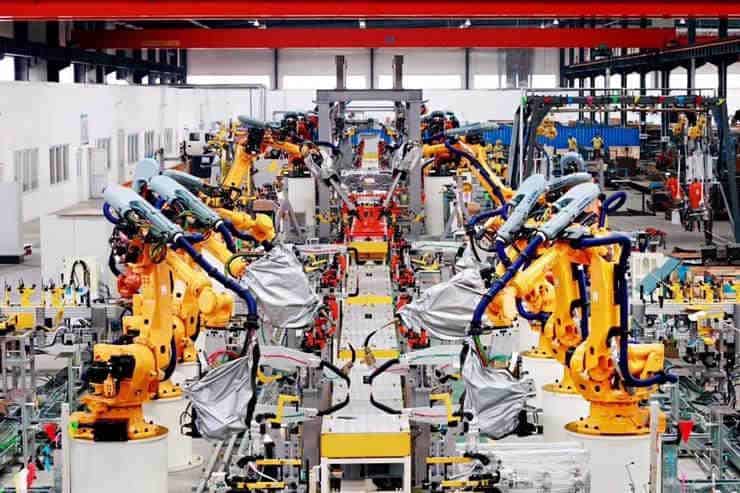
Sourcing from China can be a good fit when a supplier can meet the required product specification, quality controls, order quantity, lead time, packaging needs, and destination-market requirements. The right choice depends on the supplier’s actual capability and the buyer’s risk controls, not on the country label alone.

Before committing to a bulk order, use a clear specification, verify a sample, agree on inspection points, and confirm the shipping and import responsibilities in writing. This gives a buyer a more useful basis for comparison than assuming that a “Made in PRC” label predicts price or quality.
4. Which goods are more advantageous to import from China?
China has become a global manufacturing hub, with many products known for their quality and cost-effectiveness. Some of the most profitable imports from China include electronics, everything from smartphones and laptops to drones and smart home devices.
With a large pool of experienced and highly skilled workers and a well-developed infrastructure, China has become a hub for electronics manufacturing. It also has competitive pricing and flexibility in manufacturing, making it an attractive option for companies looking to import these types of products.

In addition, China is a major producer and exporter of apparel and textiles and has a long history and experience in this industry. Chinese manufacturers are able to offer a wide range of high-quality materials at competitive prices.
In addition, China’s textile industry is highly integrated. Can provide services such as printing, embroidery and dyeing, making it a one-stop shop for companies seeking to source apparel and textiles. Other products where j has an advantage h include home furnishings, furniture, and toys.
China’s large manufacturing infrastructure and skilled workforce allow for efficient and cost-effective production of these products. Overall, China’s competitive advantage in producing these products comes from its large-scale production capacity, low labor costs, and well-developed supply chain.
5. Tips for finding reliable and high-quality suppliers in China.
There are so many suppliers in China for each category, but how to find the most suitable and reliable one from a wide range of h candidates? Here are some detailed steps and tips:
Research and identify potential suppliers: Use B2B platforms such as Alibaba or Google to search for potential suppliers. Or attend industry exhibitions, such as Canton Fair, etc. Also can look for sourcing agents’ help, because they are familiar with the local industry distribution. They can efficiently screen out quality suppliers.

Verify the supplier: Check the supplier’s credentials, such as their business license, export license, and certifications. You can use a third-party verification company to ensure the legitimacy of the supplier.
Request samples: Request samples of the products you are interested in purchasing. This will allow you to test the quality of the product and verify the supplier’s ability to manufacture the product to your standards.
Factory audit: If possible, visit the supplier’s factory to inspect the production process and ensure they meet your standards for quality and working conditions. If you are unable to inspect the factory in person, you can ask a third-party professional inspection company to do it for you.

Communicate effectively: Communicate clearly with your suppliers about your product requirements, including specifications, packaging, and delivery dates. In the process of communication, you can find out whether the supplier’s response is professional and timely enough. If you encounter a lot of problems in the early stages of communication, then it means that the supplier is not a good choice.
By following these steps and tips, you can increase your chances of finding a reliable and high-quality supplier in China.
6. What are the common misconceptions when sourcing from China and how to avoid them?
There are several main common misconceptions when sourcing products from China.

Misconception 1: The cheapest price is always the best deal.
Solution: A lower price may seem attractive, but it may also indicate lower quality or other hidden costs. The purchasing process requires a balance between price and quality. Determine the specific parameters and details of the item you are purchasing and make sure you clearly understand all the costs involved, e.g., packaging, shipping, customs clearance, etc.
Misconception 2: All Chinese suppliers are the same.
Solution: It is worthwhile to spend a little more time researching and comparing candidate suppliers. During the communication and contact process, judge whether they are experienced and professional, and check their certifications and customer reviews. Don’t focus on price at the expense of quality.

Misconception 3: Price negotiation is the only way to get a good deal.
Solution: While price negotiation is important, it is equally important to maintain a long-term relationship with your suppliers. Especially when you have urgent orders to arrange, old customers always take precedence over new ones.
If you are overly concerned about price and keep switching suppliers because of small differences in price, your orders will not get enough attention from your suppliers. In the long run, a stable partnership can also lead to better prices and more consistent quality.
Misconception 4: Quality control is entirely the responsibility of the supplier.
Solution: While your supplier should be responsible for ensuring quality, the buyer should also take a proactive role in quality control. For example, tell the supplier about problems you’ve had in past sales, or pain points from customer feedback. And consider hiring a third-party inspection company to ensure product quality is up to par.

Misconception 5: Communication with Chinese suppliers is difficult and unreliable.
Solution: Although there may be some language and cultural barriers, most foreign trade salesmen are good at communicating and writing in English. The communication dilemma can be improved by setting clear requirements and using effective communication tools.
Also can seek the help of purchasing agents, professional purchasing agents are usually proficient in foreign languages and can achieve barrier-free communication with foreign buyers. At the same time, as a foreign company’s procurement office, to help communicate with domestic manufacturers to follow up.

Misconception 6: The import process is too complicated and difficult to navigate.
Solution: For newcomers, you may feel that the import process from China is complicated to start. In fact, the process is not complicated, you can seek the help of professional sourcing agents or freight forwarders to simplify the import process. They will take care of all the processes of importing from China and transporting to the destination country for customs clearance.
7. What are the most popular B2B platforms for sourcing products made in China, and what are their pros and cons?
There are several B2B platforms available for sourcing “Made In PRC”, including Alibaba, Global Sources, Made-in-China, etc.
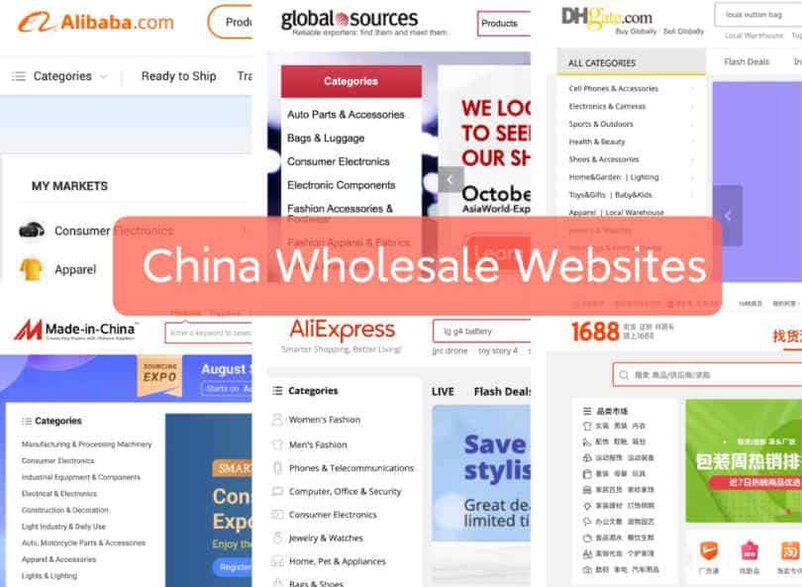
Alibaba.com: The platform is one of the largest and most well-known B2B platforms for sourcing products made in China. It offers a wide range of products, from raw materials to finished products, and has a large database of suppliers. One of its advantages is the ability to find suppliers for niche products. However, due to the large number of suppliers on the platform, it can be a challenge to filter out low-quality suppliers and avoid fraud.
GlobalSources.com: This platform is squarely focused on consumer electronics and other high-tech products and is more advantageous. It has a strict verification process for suppliers to ensure a higher level of quality control. It has the advantage of focusing on high-quality and innovative products and is not a very suitable platform for more conventional commodities such as daily necessities, household goods, toys, etc.
Made-in-China.com: This platform is another large B2B platform for sourcing products made in China. It has a diverse range of products, including machinery, electronics, textiles, etc. It has the advantage of being able to find a wide variety of products in one place. However, it may not be the best choice for finding niches niche products.
DHgate.com: This platform is known for its focus on small businesses and dropshipping. It offers a wide range of products, from fashion to electronics, at competitive prices. It has the advantage of low minimum order quantity (MOQ) requirements, which makes it a good option for small businesses. However, it may not be the best choice for sourcing high-volume products.
1688.com: Offering low prices and a fairly wide variety of products, this platform is quite useful for wholesale sourcing buyers. It is owned by Alibaba and caters to the domestic Chinese market. However, the language barrier is a big problem, as the platform is mainly aimed at domestic Chinese buyers and is not friendly to non-Chinese buyers.
However, no matter which platform you look for a supplier on, you may encounter dishonest sellers. So be sure to do a review and examination of them before you choose to work with them. Or use a third-party sourcing agent or inspection company to conduct site visits and inspections to ensure safety and security.
Inclusion:
The products that “Made In PRC“ have a significant advantage over most other countries, in terms of price, quality, delivery, and shipping. However, in the process of sourcing from China, some caution is needed and some work can be properly outsourced to ensure the best deal and your order is carried out smoothly and safely.


