
For custom tote bags from China, the first job is not finding the lowest quote. It is giving every supplier the same production-ready specification. If one quote assumes lightweight cotton, another assumes heavy canvas, and a third excludes labels or retail packing, the prices are not comparable.
Direct answer: Lock the tote’s use case, finished dimensions, fabric, construction, handle, print or embroidery, labels, packing and quantity variants before asking for prices. Then approve one physical sample and use the same written record for bulk production and inspection.
Start With the Tote’s Use Case
A giveaway tote, grocery bag, event bag and retail canvas tote may share the same basic shape, but they do not need the same fabric, handle reinforcement, finish or packing. Write down what the customer will carry and how the bag will be sold or distributed.

Include these use-case details in the first brief:
- promotional giveaway, event, grocery, retail or private-label use
- expected load and any handle-strength requirement
- open top, snap, zipper, gusset, inner pocket or other construction
- how the tote will be folded, packed, displayed or shipped
Build a Production-Ready Custom Tote Specification
Use one specification sheet for every supplier. A photo is helpful, but it does not define the finished product by itself.
| RFQ field | What to state | What the supplier must confirm |
|---|---|---|
| Finished size | Width, height, gusset and measurement method | Finished tolerance and where dimensions are measured |
| Fabric | Composition, weight or thickness, weave, colour and finish | Available stock or custom material, colour reference and lot limits |
| Construction | Seams, edge finish, bottom/side gusset, closure and pockets | Construction drawing or marked sample details |
| Handles | Material, width, exposed length, spacing and reinforcement | Attachment method and test agreed for the intended load |
| Branding | Artwork, colour reference, print/embroidery method, size and position | Proof format, setup requirements and acceptable appearance |
| Labels and packing | Care/brand label, barcode, hangtag, individual packing and carton rules | What is included in the quotation and sample |
| Order variants | Quantity by colour, artwork, size and packaging version | How MOQ and price apply to each variant |
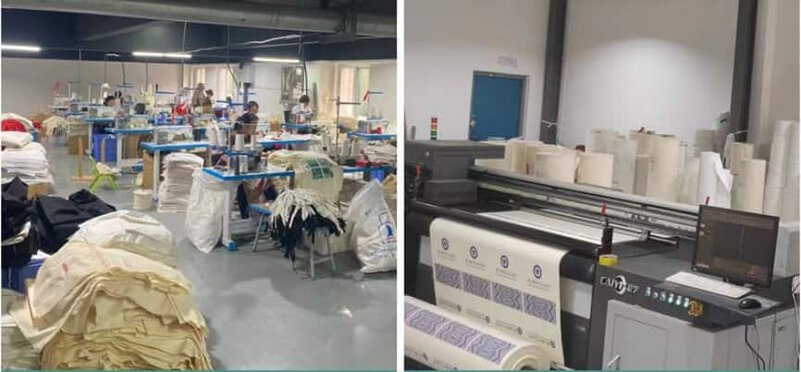
Choose Material by Performance, Not by Name Alone
“Cotton” or “canvas” is not a complete material specification. Ask for composition plus fabric weight or thickness, colour, finish and an actual swatch or sample. The same material name can produce a very different hand feel and structure.
Canvas
Canvas can suit retail, grocery and reusable totes that need more structure. Confirm the fabric specification, shrinkage or washing expectation if relevant, and whether the chosen branding process works on the approved surface.
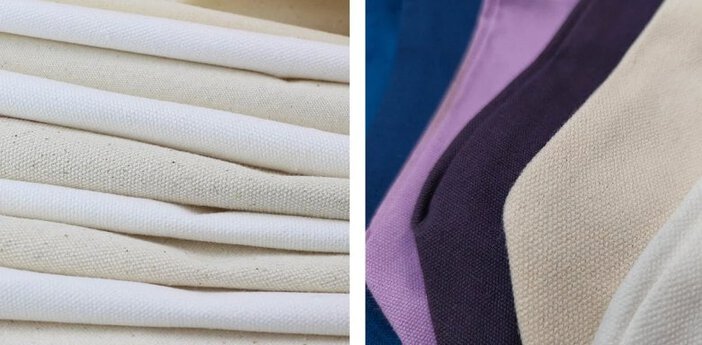
Cotton
Cotton totes can range from light promotional bags to heavier retail products. Do not accept “cotton bag” as the quotation description; attach the fabric specification and approved colour or swatch.

Nonwoven
Nonwoven material may fit cost-sensitive promotional use, but the specification still needs thickness or weight, lamination if any, handle construction and intended load. Ask for the actual sample rather than judging from a catalogue photo.

Jute or Linen-Look Material
These materials are often selected for texture and presentation. Confirm the exact fibre composition, lining or lamination, edge finish, print compatibility and packing method instead of relying on a general “natural” label.
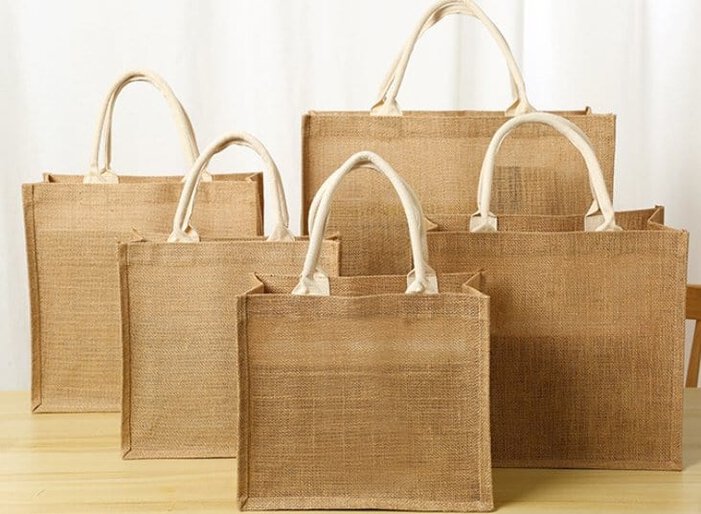
Define the Tote Construction Before You Compare Quotes
Small construction choices change material use, sewing work and packing volume. Put them on the RFQ before the supplier prices the bag.

- flat bag or bottom/side gusset
- open top, snap or zipper
- inner pocket, lining or reinforcement panel
- handle material, length, spacing and attachment
- binding, folded edge, overlock or other inside finish

Choose a Branding Method and Approve the Proof
The right method depends on the fabric surface, artwork, colour count, required appearance, use and care conditions. Ask the supplier to confirm compatibility for the actual approved fabric. Do not select a method from a generic price label.
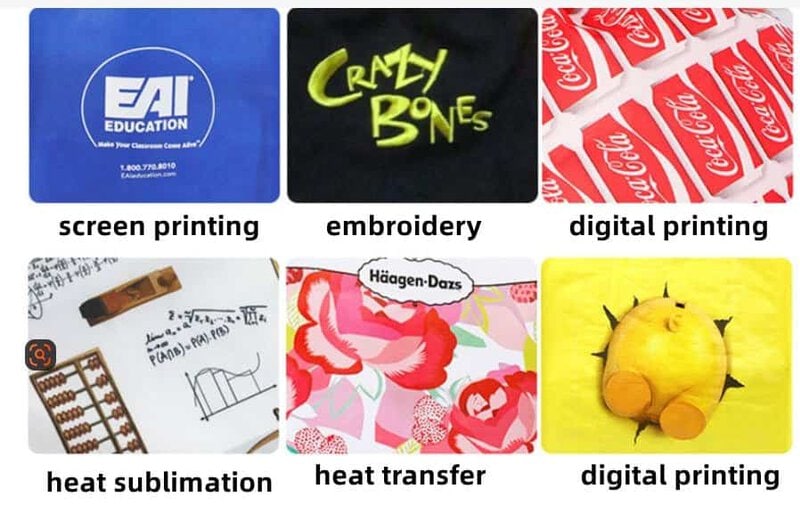
Screen Printing
Use a print proof that shows artwork size, position and colour reference. Ask whether the ink and curing process are suitable for the approved fabric and expected use.
Heat Transfer
Confirm the transfer material, edge appearance, colour, hand feel and care expectation on the actual tote fabric. Approve a physical sample when finish matters.
Digital Printing
Check whether the supplier’s process suits the fabric composition and artwork. Approve colour and detail on the actual material rather than on a screen image alone.
Embroidery
Confirm the stitch file, size, thread colours, backing, position and effect on the fabric. Dense embroidery may change how a lighter tote hangs, so assess the complete sample.
Treat MOQ as a Specification Result
There is no useful universal MOQ for custom tote bags from China. The workable quantity can change with stock versus custom fabric, dye lot, print setup, artwork and colour variants, handle or hardware choices, labels, packing and the supplier’s production arrangement.
Ask each supplier to return MOQ and pricing against the same variant table. If a low MOQ applies only to stock fabric or one artwork, make that limitation visible before you compare offers.

Compare Quotations Line by Line
Do not compare only the unit-price column. Ask every supplier to quote the same product and state:
- fabric and construction included
- printing or embroidery setup and proof
- sample terms and revision scope
- quantity by variant and MOQ basis
- labels, individual packing and export cartons
- inspection basis, delivery point, trade term and quote validity
- items that are excluded or still subject to confirmation
A missing line is not automatically included. Ask for a written answer before selecting the quote.
Approve One Sample and Create the Bulk Record
The approved sample is useful only when the written record explains what must match. Record finished dimensions, fabric, handle construction, stitching, print position and colour, labels, packing and carton details. Photograph key checkpoints and attach the final artwork file.

For manufacturer capability, sample-to-bulk control and supplier approval questions, use our separate guide to tote bag manufacturers in China. This page keeps the product specification and RFQ job separate from factory vetting.
How Style Sourcing Can Help
Style Sourcing can help overseas buyers turn a tote idea into a clearer supplier brief, compare quotations on the same scope, follow up samples, coordinate quality checks, consolidate goods and hand shipment data to the selected freight route.
If you already have artwork, a reference sample or supplier quotations, send the current files to our team. We can help identify missing specification and handoff details before bulk production.


