
Quick answer: White label is usually the faster, lower-complexity way to sell a supplier’s existing product under your brand. Private label gives you more control over the product specification and brand experience, but normally requires more sampling, clearer documentation, higher minimum order quantities (MOQs), and more cash at risk. For a new dropshipping store, start with a proven product and only add branding or product changes after demand, supplier reliability, and unit economics are clear.

White label vs private label: the practical difference
The terms overlap in everyday sourcing conversations, so the supplier agreement matters more than the label alone. In this guide, white label means an existing, standard product that more than one seller may brand and sell. Private label means a product sold under your brand with a defined specification, such as a selected material, dimensions, color, logo treatment, packaging, or quality standard. A private-label product is not automatically exclusive: exclusivity has to be written into the agreement.
| Decision point | White label | Private label |
|---|---|---|
| Starting product | Supplier’s existing product | Existing product with defined changes, or a product developed to your brief |
| Customization | Usually logo, label, insert card, or simple packaging; confirm what the supplier can actually do | Can include materials, dimensions, colors, components, packaging, and quality requirements |
| MOQ and lead time | Often lower and faster because the product already exists | Often higher and slower because samples, materials, and production controls may be needed |
| Competition | Other sellers may have access to a very similar product | Better differentiation is possible, but only if the specification and execution are genuinely different |
| Cash and inventory risk | Usually lower at the beginning | Usually higher because development, sampling, packaging, and MOQ commitments can add up |
| Brand ownership | You can build a brand around the offer, but you may not control the underlying product design | You control your trademark and brand assets; design ownership, molds, and exclusivity must be contracted separately |
What “white label” means for a dropshipper
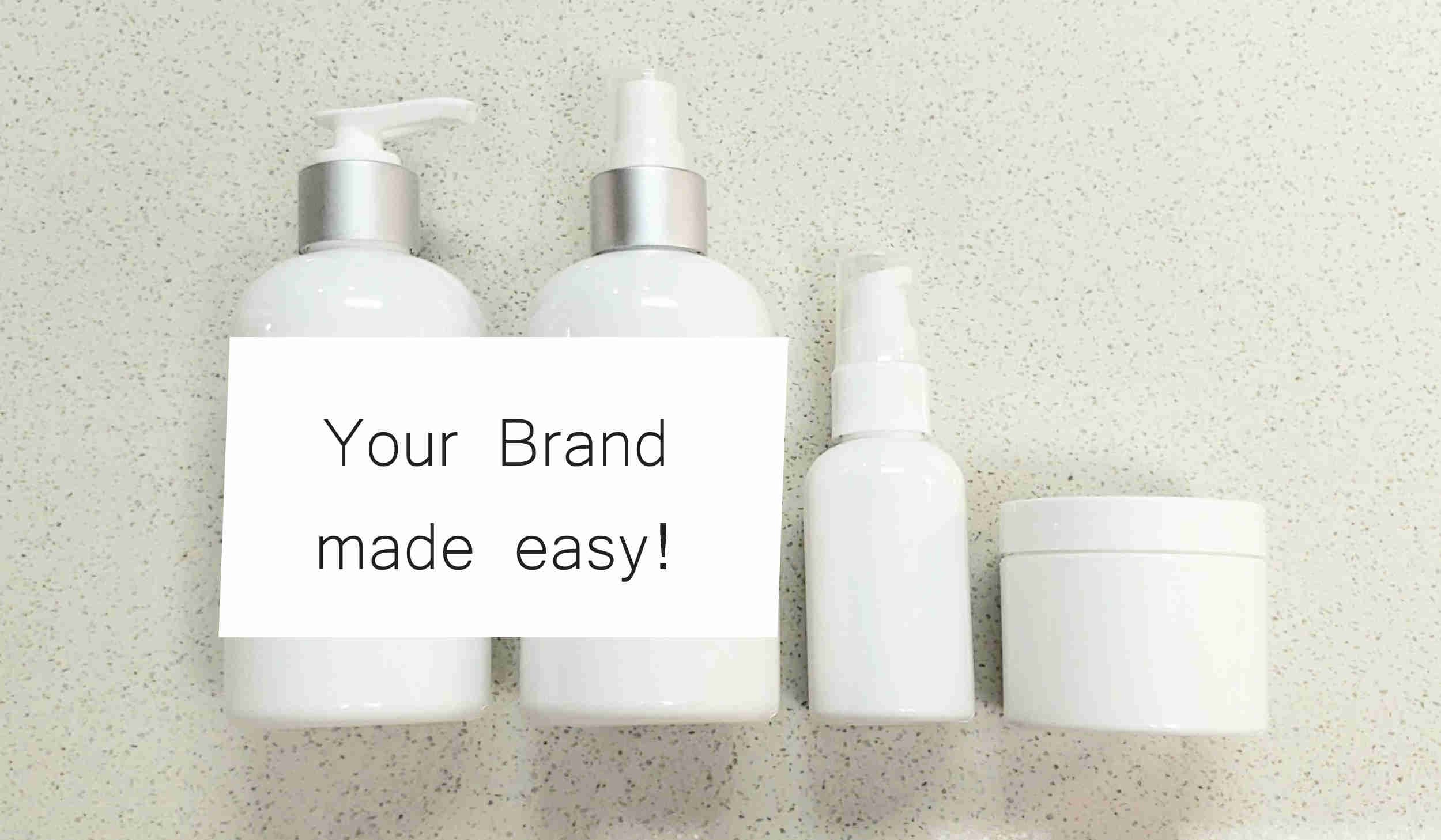
White label is a useful starting point when speed matters more than product differentiation. You choose a product that already has stable production, agree on a small set of brand elements if the supplier supports them, and focus on product pages, customer support, shipping reliability, and demand testing.
Do not assume a product is ready for branded dropshipping just because it appears in a catalog. Ask whether the supplier can add your label or insert, whether it will ship without the factory’s branding, whether they can use your packaging, and whether the same product is available to other sellers. Get sample photos and approval checkpoints before the first customer order is fulfilled.
What “private label” means in sourcing
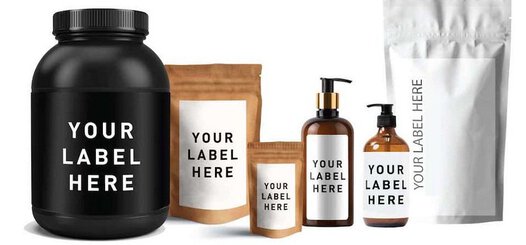
Private label begins with a written product brief. The brief can be modest, such as a specific material, color, logo application, care label, and packaging requirement; it can also be more involved, such as a custom pattern, hardware, formula, or mold. The goal is not to add changes for their own sake. The goal is to create a product and brand experience that a supplier can reproduce consistently.
For a private-label project, clarify what is being approved at each stage: product specification, pre-production sample, logo placement, artwork, packaging, carton marks, inspection standard, and final shipment. A trademark protects the name or logo in the relevant jurisdictions; it does not by itself prove that you own a supplier’s mold, design work, or exclusive sales rights.
When white label is the better choice
- You are testing a category, audience, or product promise and want to limit cash tied up in inventory.
- You need a shorter path from supplier selection to a sellable offer.
- The product is a commodity or an established format where marketing, service, bundles, and fulfillment can create the first differentiation.
- You do not yet have enough sales data to justify a custom MOQ or development cost.
- You can accept that other sellers may carry a similar product.
White label does not mean “no quality control.” Order a sample, compare the delivered sample with the product listing, and approve any label, insert, or packaging change before it is used for customer orders.
When private label is the better choice
- You know which customer problem the product should solve and have evidence that the demand is repeatable.
- A product change, material choice, fit, bundle, or packaging detail materially improves the customer offer.
- You can afford sampling, inspection, and an MOQ without relying on best-case sell-through.
- You are ready to manage version control: the supplier should know exactly which approved sample, artwork, and specification applies to each order.
- You have a plan for brand assets, trademark checks, customer feedback, and a replenishment cycle.
MOQ, customization, exclusivity, and trademark: questions to settle before you pay
A supplier may use “OEM” and “ODM” differently from another supplier. Use the terms as discussion starters, then document the actual deliverable. In many sourcing conversations, OEM refers to making a product to the buyer’s specification, while ODM refers to adapting or branding a supplier-developed design. Neither term automatically gives the buyer ownership or exclusivity.
- MOQ: What MOQ applies to the product, logo method, color, packaging, and each SKU? Is the MOQ per design, per color, or across a mixed order?
- Customization: Which parts can change now, and which require a new sample, tooling, or production run?
- Exclusivity: Is it none, territory-based, channel-based, time-limited, or tied to a purchase commitment? Put the exact scope in writing.
- Brand assets: Who holds the artwork files, packaging files, and any tooling? What happens if you change factories?
- Trademark: Have you checked that your intended brand name is usable in the markets where you will sell? Obtain qualified legal advice for registrations and rights.
- Quality: What sample is the approval reference, what defects are unacceptable, and who checks labels, packaging, and finished goods?
A simple decision framework for dropshipping
Choose a white-label route first if you are still proving demand. Buy or inspect a sample, test a small product range, and establish whether the supplier can deliver the same product and presentation reliably. Your first objective is evidence: conversion, returns, customer questions, delivery performance, and repeat demand.
Move toward private label when the data points to a specific improvement that customers value and you can write that improvement into a supplier-ready brief. Start with the smallest change that improves the offer, such as a better bundle, clearer packaging, a durable label, or a controlled color/material option. Approve the sample before scaling.
Pause before either route if the product is regulated, safety-sensitive, likely to create intellectual-property issues, or too dependent on a supplier claim you cannot verify. First resolve the compliance, product, and supplier evidence.
How a sourcing agent can support a white-label or private-label project
A sourcing agent can help convert a loose branding idea into checkpoints a supplier can execute. That can include supplier comparison, sample consolidation, label and packaging coordination, inspection instructions, and handoff to the freight or fulfillment partner. The agent should not replace your product decisions or trademark review; the final brand, product approval, and commercial commitments remain the buyer’s responsibility.
For a first project, ask for a written handoff list: approved sample photos, final specification, artwork version, labeling position, packaging requirements, inspection points, carton marks, and shipment contacts. This is more useful than relying on a chat history when different teams handle product, packaging, QC, and shipping.
Frequently asked questions
Is white label cheaper than private label?
It is often cheaper and faster to start because the supplier’s product already exists, but the real cost depends on the product, branding method, MOQ, shipping, quality requirements, and return risk. Compare the full landed and operating cost, not only the unit quote.
Can a white-label product become private label later?
Yes. Many sellers begin with a standard product, then use customer feedback and sales data to define a controlled private-label version. Confirm the new MOQ, sample process, artwork, and specification before treating it as a different product.
Does private label mean my product is exclusive?
No. Brand ownership, design ownership, mold ownership, and sales exclusivity are separate terms. If exclusivity matters, define the products, territory or channel, duration, performance condition, and remedy in a written agreement reviewed for your situation.
Should a dropshipper start with private label?
Only when the business can support the sampling, quality controls, MOQs, and cash commitment. If demand is still unknown, an existing product with a disciplined sample-and-supplier process is usually a lower-risk way to learn before investing in deeper customization.
Next step
Use this guide to private label on 1688 for a closer look at OEM, ODM, and packaging conversations. Before you commit to samples or production, work through the private-label quote checklist. If your plan is built around direct fulfillment, read how to start private-label dropshipping from China.
Need help turning a product brief into a supplier, sample, packaging, QC, and shipping handoff? See our Private Label Sourcing Service page or talk to our team.


