With the rapid rise of e-commerce, Amazon has become a pivotal platform for sellers worldwide. Choosing to start a private label business on Amazon is promising. This model caters to the trend of sellers seeking unique brands while utilizing Amazon’s large customer base and well-established logistics. It provides sellers with the autonomy to control their brand, pricing, and business growth.
That’s why investing in private labels is very feasible and worthwhile. Here let’s explain how to source Amazon private label products and offer practical advice on how to ensure success.

1. What is Amazon Private Label Business?
An Amazon private label business involves ordering the product from a manufacturer and branding it with your private label. Then sell it on the Amazon marketplace. Unlike other brands of goods, the appeal of this business model is that you have absolute control over your product. You can control the brand positioning, pricing, and marketing strategy of your products, resulting in higher potential profits.
First, you identify a product or category that is in high demand but has relatively little competition on Amazon. Then, source the right supplier (usually through a platform such as Alibaba) who will manufacture the product and label it with your brand.
Once you receive the product, you list it on Amazon under your own brand name.

2. Advantage for selling Amazon Private label products.
Selling Amazon private label products has more advantages for sellers compared to other methods.
Brand Control: With private labeling, sellers have the freedom to shape their own brand image and market positioning. This allows you to stand out from the rest of the competition and avoid homogenization.
Pricing Flexibility: As a private label seller, you can determine the price of your products. Also maintain attractive profit margins and control revenues, and high premiums.
Product customization: Private label sellers have the flexibility to improve their products based on customer feedback or market trends. This results in more satisfied customers and potential repeat business.
Scalability: Once a private label product has gained some market acceptance, you can capitalize on the established brand name and customer trust to grow your business by launching additional product lines under the same brand.
Long-term asset: A successful private label brand is not only a source of revenue, but also an asset. After the seller does not want to continue the business, it can be sold for a premium price.
So, it follows that selling private label goods on Amazon is a promising business well worth investing time and effort to undertake.
3 . Why China is a Leading Source for Private label products?
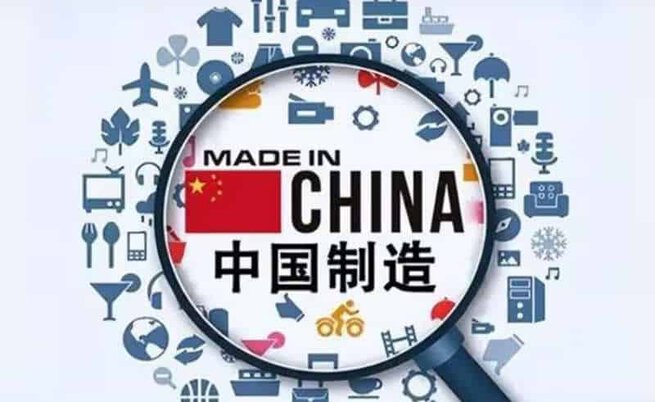
China as a leading source for private label products has distinct advantages over other countries and regions, and can greatly increase the potential success of your Amazon business.
First of all, China’s strong and diverse manufacturing sector caters to a wide range of product categories, offering tremendous versatility for sellers seeking to enter a variety of niches. From electronics to apparel, toys to home furnishings, you’re likely to find manufacturers in China capable of producing the products you need.
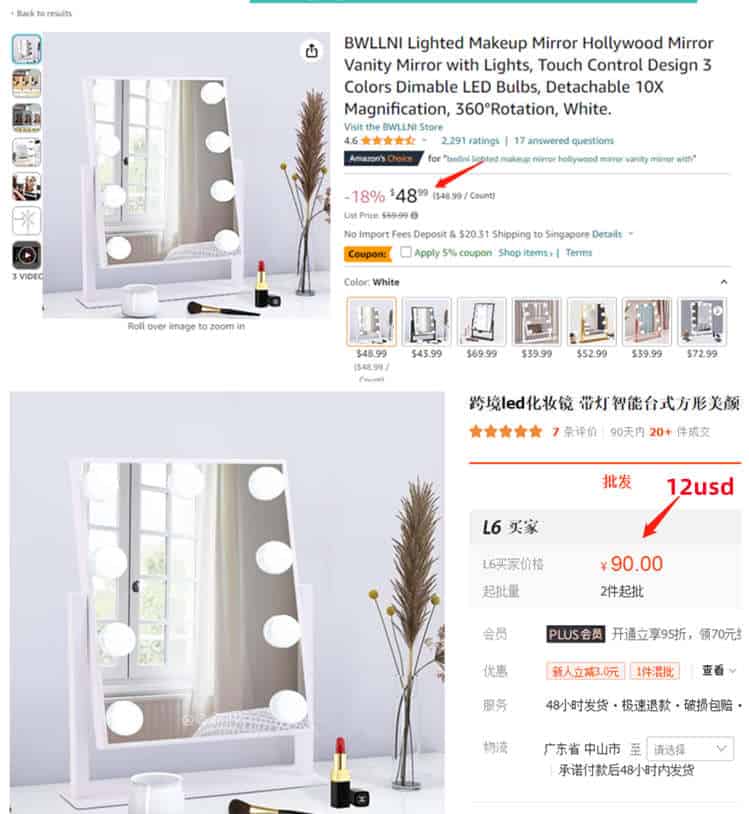
In addition, there is a definite advantage in the cost-effectiveness of Chinese manufacturing. Lower labor and production costs can translate into competitively priced products on Amazon while still retaining a sizable profit margin.
Another compelling reason is product extensibility. Chinese manufacturers often have high-volume production capabilities, and when product demand increases, or need to source other extended goods, sourcing in China allows you to efficiently and quickly match the right products and manufacturers. Making it easier for private label sellers to scale their business.
What’s more, many Chinese suppliers have accumulated extensive experience dealing with Amazon sellers and are familiar with the platform’s quality standards and expectations. This can streamline the sourcing process, reduce communication misunderstandings, and ensure that products comply with Amazon’s regulations.
Utilizing these advantages, sourcing private label products from China can provide a solid foundation for launching and growing your Amazon business.
4. How to source Amazon private label products from China?
China’s strong supplier resources attract most Amazon sellers to source their goods. However, it is not easy to find the most suitable suppliers from the many others to produce private label products.
Finding the right channel to source Amazon private label products from China is a crucial step in the business process. Here are some of the main channels and methods suitable for small and medium sellers to source.

B2B online wholesale platforms are often the first choice, especially for small medium-sized sellers, because of the low MOQ and various categories.
Alibaba
As the world’s largest online B2B platform, Alibaba connects international buyers with Chinese manufacturers. It is a great place to find a wide range of suppliers and get competitive quotes. With a wide range of product categories, you can basically source most of the goods you’re looking for. However, due to its size, it may require more time and diligence to find quality suppliers.
Global Sources
This is another leading B2B platform with suppliers from all over Asia, a large portion of which are from China. The trade shows they organize are excellent opportunities to meet suppliers face-to-face. Global Sources is recognized for its focus on verified suppliers, making it a relatively safer sourcing option. It is known for its consumer electronics, smart living, and fashion-related products.
Made–in–China
Made-in-China is also a comprehensive platform, but it stands out, especially for industrial and heavy machinery products. With a user-friendly interface and detailed supplier data, it’s a reliable option for sourcing industrial products, automotive parts, construction materials, and more.
1688.com
It is the Chinese version of Alibaba.com, China’s homegrown e-commerce wholesale marketplace. Here, there are more source manufacturers and suppliers. Can avoid intermediate links. Able to get a more competitive price. The only drawback is that it only supports Mandarin, with no English interface.
Sourcing Agent
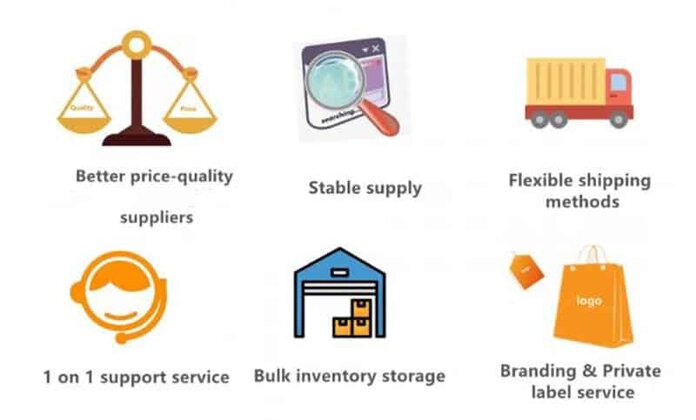
Utilizing a sourcing agent to procure goods streamlines the entire purchasing process. With in-depth knowledge of local industries and markets, you can find the most suitable suppliers for you more efficiently. More competitive prices can often be obtained through negotiations.
Supervising production can better control product quality. In addition, they can manage logistics, from coordinating transportation to handling customs, and act as a cultural bridge to facilitate clear communication.
Essentially, sourcing agents act as your local representatives, making Amazon’s international sourcing more efficient, cost-effective, and controllable, transforming potential complexity into a coordinated, transparent process.
Private label sellers usually need to find niche or unique products that can be differentiated and branded to avoid the huge competition of homogenized products.
And sellers pay more attention to packaging and branding to reflect their unique brand image. Therefore, during the sourcing process, it is necessary to determine whether the supplier can support personalized and customized products and packaging.
5. Tips for Quality Control of Amazon FBA Product
Quality control is a top priority in sourcing Amazon Freelance Branded products. Ensuring high-quality products not only increases customer satisfaction and loyalty but also improves your brand’s reputation and better rankings on Amazon. Here are the tips to ensure quality control during the sourcing process:
Sample evaluation: Always ask your supplier for samples to test before purchasing. Check the quality, design and functionality of the product in all aspects and if there is any room for improvement. Study customer feedback on similar products for pain points to improve and update your product.
Supplier Audit: Audit the reliability of your suppliers by checking their business licenses, certificates, and factory inspection reports. This helps assess their manufacturing capabilities, quality control systems, and overall reliability.
Product Specifications: For customized items, it’s important to provide suppliers with clear and detailed product specifications. This eliminates ambiguity and helps maintain production consistency.
In-Production Inspection: During the production process, it is necessary to conduct in-production inspections. A third-party organization can be hired to do this. Ensure that large shipments are produced in accordance with the requirements, and if problems are found, they can be prevented and improved in a timely manner to prevent potential problems from evolving into mass production problems.

Pre-Shipment Inspection: Thorough inspections are performed before products are shipped. From the quality of the product to the way it is packaged, this ensures that any defects or inconsistencies are identified and corrected before they leave the factory.
Test Purchase: Once your product is live on Amazon, making a test purchase can help you evaluate your customer’s experience and confirm the quality of your product.
Implementing these steps in the sourcing process maximizes the quality of Amazon FBA private label products and increases brand reliability and customer satisfaction.
6. Logistics and inventory for Amazon private label product
When your Amazon private label product was manufactured, it came to the last part of the process, logistics, and warehousing.
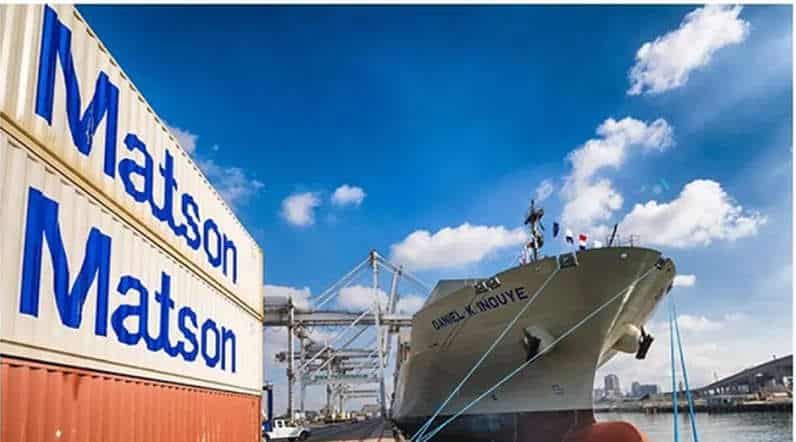
Choosing a shipping method: Depending on the budget, time, and quantity, you will decide the shipping method. Often ocean freight is the more common route, which is cheaper and has different options depending on the timeframe, with regular and fast ships available. Air freight is faster but much more costly. It is usually used when there is an urgent need for replenishment, or when there is a time limit on the sale of products.
Calculate the cost: Understand all the potential costs, including shipping costs, duties, Amazon FBA fees, and warehousing costs. These should be factored into your overall pricing strategy. If the shipping method is DDP, duties are included in the shipping cost.
Packaging Requirements: Make sure your product packaging meets Amazon FBA guidelines. Improper packaging may result in damage to the product, additional costs, or deletion of the listing.
Labeling: Each product must be properly labeled for Amazon to track inventory.
Create a shipment plan: Use Amazon Seller Central to create a shipment plan that includes details such as products, quantities, and destination Amazon fulfillment centers.

Shipping and Customs Clearance: The freight forwarder arranges the shipment and assists with the customs clearance process. It is then responsible for delivering the goods to the designated Amazon warehouse. If necessary, It is also able to provide additional services such as free warehousing and prep and fulfill services.
When your purchase quantity is not a lot, there are written suppliers who will be less willing to cooperate with labeling and provide packaging services, freight forwarders or purchasing agents can help you deal with these tasks. Provide personalized packaging and labeling services and complete prep service.
Effectively arranging these logistics processes can save you time, avoid unnecessary costs, and keeps your Amazon FBA business running smoothly.
Conclusion
Starting an Amazon private label business is a viable venture that can provide sellers with the opportunity to build and grow their brand. By taking the necessary steps, such as detailed market research, careful product sourcing, comprehensive quality control, and skillful handling of shipping logistics, sellers can smoothly launch and expand their business.
With the right approach and channels, you may be surprised to learn that building your own brand is and can be so easy and convenient and that selling on Amazon is so simple and profitable.
Related Post:
What You Need To Know About E-Commerce Supply Chain Management?
How To Buy From 1688.Com:the Ultimate Guide 2023
How To Import From China In Small Quantities? Complete Guide 2023
Need a private label sourcing service for Amazon or e-commerce branded products? See our Private Label Sourcing Service page to learn how we help with supplier sourcing, samples, packaging, quality control, and shipping from China. Talk to our team here.


